Christmas Tree Background 1: Illustrations for Blogs
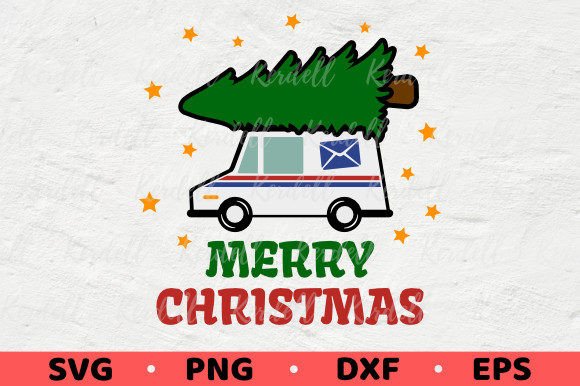
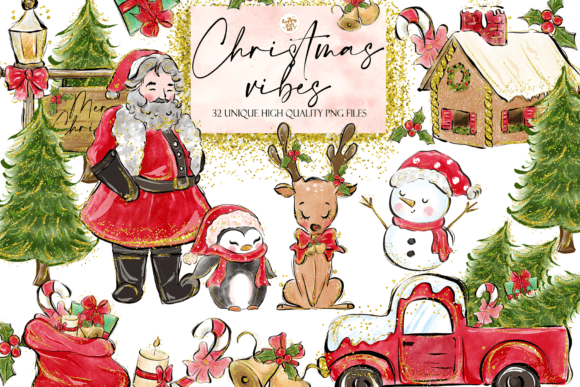
As a digital publisher who has spent years refining the visual identity of content-heavy websites, I have learned that the difference between a bounce and a conversion often comes down to split-second visual cues. When I first loaded Christmas Tree Background 1 into my design workspace, my immediate reaction was one of relief. In the chaotic rush of Q4 content planning, finding assets that balance festive cheer with professional polish is notoriously difficult. This asset does not scream for attention; instead, it invites the reader in. It creates an editorial mood that is warm, inviting, and distinctly seasonal without feeling cluttered or amateurish.
For bloggers, affiliate marketers, and small business owners, this distinction is critical. Your audience is scrolling through feeds saturated with loud, high-contrast graphics. A design that offers breathing room and aesthetic coherence stands out by offering calm rather than chaos. This piece feels lifestyle-focused and artistic, making it an ideal fit for niches such as home decor, holiday recipes, family traditions, and gentle self-care. It supports a narrative of warmth and nostalgia, which is exactly the emotional trigger many publishers aim to pull during the winter months.
Elevating Editorial Design with Strategic Visuals
The true test of any graphic design asset is its versatility within a real publishing workflow. I evaluated Christmas Tree Background 1 not just as a static image, but as a functional component of a broader content strategy. Here is how it performs across various digital touchpoints:
- Blog Featured Images: The composition provides excellent negative space, allowing headline text to sit comfortably without requiring heavy drop shadows or opaque overlays. This preserves the integrity of the illustration while ensuring readability.
- Pinterest Pins: Vertical cropping works seamlessly here. The visual hierarchy guides the eye naturally from the focal point to the call-to-action text, potentially improving click-through rates on social platforms.
- Newsletter Headers: Email clients can be tricky with heavy graphics. This asset is lightweight enough to load quickly while still setting a festive tone before the subscriber even reads the first sentence.
- Digital Guides and eBooks: When used as a chapter divider or cover element, it adds a layer of professional production value that justifies premium pricing for digital products.
By integrating this into your content marketing mix, you create a consistent visual thread. Readers begin to associate this specific aesthetic with your brand’s holiday presence, reinforcing brand identity and trust. It transforms a standard blog post into a curated experience.
Enhancing Click-Through Potential and Reader Trust
Why does this matter for your bottom line? Because perceived quality influences perceived value. When a user lands on a page where the website header and accompanying graphics look cohesive and professionally designed, their guard goes down. They are more likely to trust your recommendations, whether you are sharing a simple recipe or promoting an affiliate product.
Christmas Tree Background 1 supports this by providing a clean, modern design foundation. It avoids the cliché tropes of overly saturated reds and greens that can sometimes feel dated or cheap. Instead, it leans into a sophisticated palette that complements both serif and sans-serif typography. This flexibility is crucial for maintaining visual hierarchy. You want the eye to travel from the image to the headline, and then to the body content. A busy background disrupts this flow; a thoughtful illustration enhances it.
For affiliate marketers, this is particularly relevant. If you are creating comparison charts or gift guides, using a unified set of design assets makes your content look like a authoritative resource rather than a scattered collection of links. It signals that you have invested time and care into the presentation, which subconsciously signals care in the curation of the products themselves.
Where to Use It and Where to Exercise Caution
While this illustration is versatile, it is not a one-size-fits-all solution. Understanding its limitations is just as important as knowing its strengths. Based on my testing across multiple device simulations, here is where this asset shines and where it requires careful handling:
Ideal Applications
- Hero Images: Use it full-width on desktop to create an immersive landing page experience for holiday campaigns.
- Social Media Graphics: It works beautifully as a backdrop for Instagram stories or Facebook posts, provided you keep text minimal and centered.
- Printable Design: If you are creating holiday planners or checklists, this background adds a decorative touch that users love to pin and save.
- Canva Template Elements: Incorporate it into templates you sell or share. It adds immediate seasonal relevance to otherwise generic layouts.
Areas for Caution
You should avoid using Christmas Tree Background 1 in contexts where clarity is paramount over mood. For instance, do not use it behind small mobile thumbnails where details will be lost. It is also not suitable for serious professional niches such as legal advice, financial auditing, or corporate crisis management, where a minimalist, neutral visual system is expected. Additionally, avoid placing it in already busy layouts. If your sidebar is cluttered with widgets and ads, adding a complex background to the main content area will create cognitive overload for the reader.
Practical Publisher Notes for Implementation
Before you download and deploy this asset, take a moment to run through this technical checklist. These steps ensure that your web design remains performant and accessible:
- Test on Multiple Devices: Preview the image on both desktop and mobile screens. Check how the details render on high-resolution Retina displays versus standard screens.
- Typography Pairing: Experiment with different font styles. I found that pairing this illustration with a clean sans-serif font creates a modern look, while a script font adds a handwritten, personal touch. Avoid overly decorative display fonts that might compete with the illustration’s details.
- Contrast and Readability: Always check your text contrast. If the background has lighter areas, ensure your text is dark enough to be legible. Use semi-transparent overlays if necessary, but try to keep them subtle to maintain the artistic integrity.
- File Optimization: Review the file size. For web performance, compress images properly using tools like TinyPNG or Squoosh. A slow-loading hero image can hurt your SEO rankings and increase bounce rates.
- Licensing Verification: Confirm the commercial license terms. If you are using this for monetized websites, affiliate pages, or paid content products like a digital guide, ensure you have the right to do so. Never assume a free download includes commercial rights.
In the world of creative marketplace assets, quality varies wildly. Christmas Tree Background 1 stands out because it respects the intelligence of the designer and the reader. It does not try to do all the work for you; rather, it provides a solid, beautiful foundation upon which you can build your unique narrative. Whether you are crafting a lead magnet to grow your email list or designing a Pinterest pin to drive traffic, this illustration offers the professional edge needed to cut through the noise. By treating your visual elements with the same strategic care as your written content, you elevate your entire digital presence, turning casual visitors into loyal readers and customers.