Cute Christmas Gingerbread House: A Designer's Review
As we approach the holiday rush, my design queue is filling up with requests for festive items that feel warm and nostalgic without looking dated. When I first pulled up the Cute Christmas Gingerbread House file on my screen, I wasn't just looking at another seasonal graphic; I was evaluating a potential centerpiece for a client's boutique winter collection. In the world of machine embroidery, a design lives or dies by how it translates from a digital vector to actual thread on fabric. This review breaks down how this specific illustration performs in real-world scenarios, helping fellow embroiderers and small business owners decide if it belongs in their next project.
First Impressions and Visual Personality
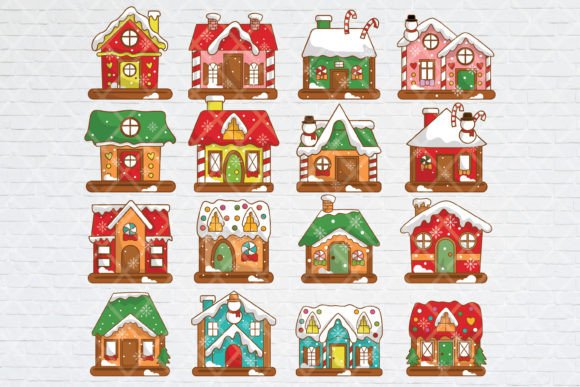
The immediate appeal of the Cute Christmas Gingerbread House lies in its charming simplicity. It avoids the overly complex detailing that often plagues holiday designs, which can turn into a tangled mess of thread when stitched out at smaller sizes. The layout feels balanced, with a whimsical roofline and inviting windows that suggest a storybook quality. As an illustration-based asset, it relies heavily on clean lines and distinct color blocks rather than heavy shading. This is a crucial distinction for us as makers; it means the design is likely optimized for clarity rather than photorealism. The mood it creates is cozy and approachable, making it an ideal candidate for products aimed at families, children, or anyone seeking a touch of traditional holiday cheer.
Real-World Application Scenarios
To truly test the viability of this design, I mentally placed it onto several common substrates we use in our shops. Imagine preparing a custom order for a local coffee shop that wants branded tote bag designs for their December loyalty program. The Cute Christmas Gingerbread House would sit beautifully on a natural canvas tote. The open spaces within the design allow the texture of the canvas to breathe, preventing the fabric from becoming stiff or board-like—a common complaint with dense holiday embroidery.
Another strong contender for this file is sweatshirt embroidery. Holiday loungewear is a massive seller for Etsy sellers and craft fair vendors. Placed on the left chest of a heather grey crewneck, this design offers a subtle yet festive nod to the season. It works equally well as a large back print on a child's hoodie. Because the design falls under the category of Illustrations, it retains its character even when scaled up, provided the stitch types are adjusted correctly for the larger format. For those running a craft business, this versatility is gold; one file can serve multiple product lines, from baby embroidery on onesies to decorative pillow covers for home decor.
Navigating Fabric Challenges and Stitch Density
However, no design is without its constraints. When working with the Cute Christmas Gingerbread House, attention must be paid to stitch density. If the original digitizer opted for heavy fill stitch work in the roof or walls, stitching this on stretchy fabrics like jersey knits could lead to puckering. In such cases, I always recommend testing on scrap fabric first. If you notice the fabric pulling, you may need to adjust your tension or switch to a cut-away stabilizer instead of tear-away, especially for items like custom apparel that will undergo frequent washing.
Textured fabrics present another consideration. While this design looks crisp on smooth cotton or poly-blends, stitching it on a thick waffle weave or a fuzzy fleece might obscure some of the finer details, particularly around the windows or door. For embroidered patch creation, this design is excellent because the defined edges of an applique design or satin stitch border can be cleanly merrowed or laser cut. But if you are attempting this on a curved surface like a cap, ensure the hoop size accommodates the width of the house without distorting the perspective. Small hoop sizes might require breaking the design into sections, which is rarely ideal for a cohesive illustration.
Enhancing Product Value and Brand Consistency
In the competitive landscape of handmade goods, the perceived value of your finished product often hinges on the professionalism of the embroidery. A clean, well-executed Cute Christmas Gingerbread House signals quality to the buyer. It suggests that the maker cares about aesthetic cohesion. For commercial embroidery projects, consistency is key. If you are producing a run of fifty tea towels, you need to know that the thread colors will remain vibrant and that the registration will hold steady from the first item to the last. This design's straightforward color palette makes color matching easier, allowing you to maintain brand consistency across different batches of merchandise.
Furthermore, the "cuteness" factor directly impacts giftability. Customers looking for personalized gifts want items that evoke emotion. This gingerbread house, perhaps paired with a family name in a complementary font (if the license allows for modification), becomes more than just decoration; it becomes a keepsake. For digital product sellers, using this design in printable mockups can significantly boost engagement on social media, as the visual warmth of the image stops the scroll.
Practical Notes for the Professional Embroiderer
Before committing this design to a paid client project, there are several technical checks every responsible designer should perform. First, verify the hoop size requirements. While the design looks compact, ensure your machine's maximum area can handle it without re-hooping. Second, inspect the small details. Are there tiny running stitches that might break easily? Is there minute lettering that could fill in? It is wise to stitch a sample on both light and dark fabric backgrounds to check contrast. A design that pops on white might disappear on navy blue if the thread selection isn't adjusted.
Additionally, always confirm the licensing terms associated with the digital embroidery file. Just because you purchased the file does not automatically grant you the right to sell unlimited finished goods or sub-license the design assets. Check if the creator specifies limits on the number of physical items you can produce for sale. Finally, consider the washability. Holiday items often get stored away and brought out year after year. Ensure the stabilizer used is appropriate for long-term durability so your customer isn't left with a cracked or peeling design after the first laundry cycle.
In conclusion, the Cute Christmas Gingerbread House is a robust contender for the holiday season. Its strength lies in its adaptable nature, fitting seamlessly into various niches from nursery decor to boutique fashion. By respecting the technical limitations of your materials and performing due diligence on stitch quality, you can leverage this design to create high-value, memorable products that resonate with customers. It is a reminder that in our trade, the best designs are those that balance artistic charm with practical stitch engineering.