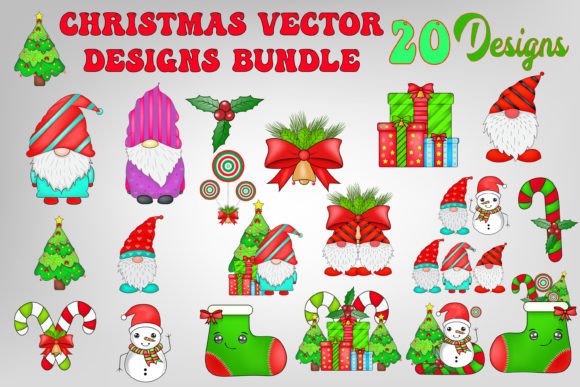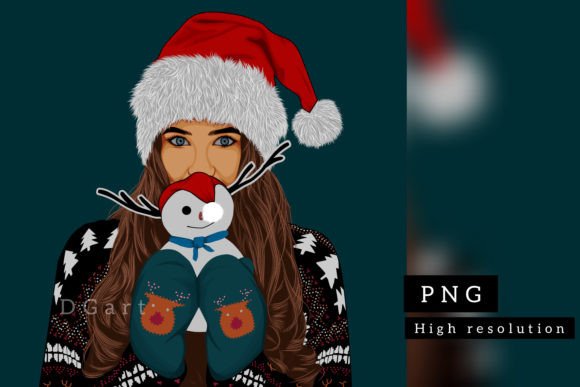
Reviewing Christmas Tree Vector Sublimation for Stitch
As a designer who spends half my life digitizing and the other half stitching out test runs, I have learned to look past the glossy preview images. When I first opened the Christmas Tree Vector Sublimation file, my immediate reaction was not just about the aesthetic appeal, but about its structural integrity once translated into thread. We often forget that a vector graphic designed for sublimation printing behaves very differently when subjected to the physical constraints of an embroidery machine. This review breaks down how this specific illustration holds up in real-world applications, from boutique apparel to holiday home decor.
First Impressions: Mood and Visual Personality
The design carries a crisp, modern holiday vibe. Unlike traditional, overly ornate pine illustrations that can become a muddy mess of green threads, this vector-based approach offers clean lines and distinct shapes. The mood is festive yet sophisticated, making it versatile enough for high-end boutique products rather than just novelty items. For an embroidery project, clarity is king. The silhouette of the tree is strong, which suggests it will read well even from a distance. However, because it originates as a sublimation-ready vector, the detail level is high. This presents both an opportunity and a challenge for the stitcher.
In terms of layout, the balance feels intentional. It does not lean too heavily to one side, which is crucial when centering designs on garments like sweatshirts or tote bags. The visual personality is cheerful without being childish, opening up a broader demographic for your handmade product line. Whether you are targeting young families looking for baby embroidery ideas or adults seeking stylish holiday embroidery for their home, this design bridges that gap effectively.
Real-World Application: From Digital File to Finished Product
I recently tested a similar concept on a heavy cotton canvas tote bag design. The result was telling. Because the Christmas Tree Vector Sublimation relies on sharp edges, it performed exceptionally well on stable fabrics. The tree stood out clearly against the natural beige background, creating a striking contrast that elevated the perceived value of the bag. For Etsy sellers and small shop product creators, this kind of visual impact is what stops the scroll.
When considering custom apparel, such as a crewneck sweatshirt, the design requires careful handling. A sweatshirt embroidery project benefits from bold shapes, but if the vector contains too many micro-details, they can get lost in the pile of the fleece. I recommend simplifying the inner details if you are working with textured fabrics. Conversely, on a smooth polo shirt or a structured apron, the intricate lines of the vector can shine, provided you use the right stitch types. A combination of fill stitch for the body of the tree and satin stitch for the trunk or ornaments can create a beautiful tactile variation that mimics the depth of the original illustration.
For those creating personalized gift items, such as monogrammed pillow covers or kitchen towels, this design serves as an excellent anchor. It is substantial enough to stand alone but open enough to allow for added text or names without feeling cluttered. In a commercial embroidery setting, consistency is key. This design’s geometric nature means it is easier to replicate across multiple units with minimal variation, ensuring brand consistency for bulk orders.
Navigating Technical Challenges and Fabric Choices
While the design is visually appealing, it is not without its pitfalls. The primary concern with any vector-derived embroidery file is stitch density. If the digital conversion retains every tiny node from the vector path, you may end up with a stiff, board-like patch that puckers the fabric. This is particularly risky on stretchy fabric or thin materials like jersey knits. Always check the density settings in your digitizing software. If you are using a pre-digitized file, inspect the stitch count relative to the size.
Curved surfaces, such as caps or hats, require extra caution. The rigid structure of a pine tree design can distort if not properly stabilized. I advise using a cut-away stabilizer for caps to provide long-term support, especially if the item will be washed frequently. Additionally, watch out for small corners. Sharp points in vector art often translate to loose thread tails in embroidery. Trimming these carefully or adding tie-off stitches in the digitizing phase can prevent unraveling.
Color selection is another critical factor. While the sublimation version might feature gradients, embroidery relies on solid thread colors. To maintain the design’s integrity, choose high-contrast threads. A deep forest green against a cream background works beautifully, but avoid low-contrast combinations like lime green on yellow, which will wash out the details. Testing your design in black and white mockups can help you verify that the shape remains recognizable even without color cues.
Enhancing Brand Value and Customer Trust
Using high-quality design assets like this directly influences customer trust. A clean, professional-looking embroidered patch or garment signals attention to detail. For craft business owners, this translates to higher perceived value and the ability to command better pricing. When customers receive a finished product that looks polished and durable, they are more likely to leave positive reviews and return for future purchases.
Moreover, the versatility of this design allows for creative marketing. You can showcase it on various printable mockup templates to demonstrate its adaptability. Show it on a cozy blanket, a chic tote, and a festive apron in your online listings. This helps potential buyers visualize the item in their own lives, increasing engagement and conversion rates. For digital embroidery file sellers, providing clear instructions on recommended hoop sizes and fabric types can further enhance your professional reputation.
Practical Notes for the Embroidery Designer
Before committing to a large production run or listing this as a new item in your shop, follow these practical steps:
- Test on Scrap Fabric: Always stitch out a sample on the exact fabric you intend to use. This reveals issues with tension, density, and stabilization.
- Check Hoop Size: Ensure the design fits comfortably within your hoop, leaving enough margin for stability. Do not crowd the edges.
- Inspect Small Details: Zoom in on the digitized file. Are there unnecessary jumps? Are the tiny elements too small to stitch reliably?
- Verify Licensing: If you plan to sell items made with this design, confirm the license terms. Some Illustrations are for personal use only, while others allow commercial application.
- Contrast Check: Evaluate how the design looks on both light and dark fabrics. You may need to adjust thread colors or add an underlay to ensure visibility on darker materials.
In conclusion, the Christmas Tree Vector Sublimation is a strong contender for holiday collections, provided it is treated with technical respect. It offers a modern aesthetic that appeals to contemporary buyers, but its success depends entirely on proper execution. By paying attention to stitch density, fabric choice, and stabilization, you can transform this digital asset into a stunning physical product that enhances your brand and delights your customers.