Silly Little Gnomes Christmas Treats: A Designer's Review
As someone who spends more time staring at stitch maps than most people spend watching television, I approach every new machine embroidery design with a mix of excitement and skepticism. We have all been there: you buy a cute file, load it onto your machine, and halfway through the run, you realize the density is going to turn your fabric into cardboard or the tiny details will vanish into a thread blob. That is why I took a close look at Silly Little Gnomes Christmas Treats before committing it to a client project. This isn't just about whether it looks cute on a screen; it is about how it performs as a finished product in the real world.
First Impressions and Visual Personality
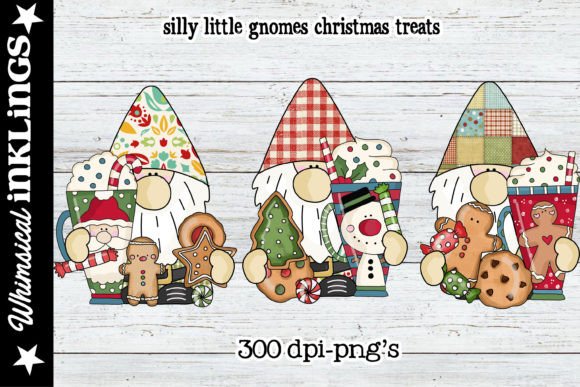
When I first opened the preview for Silly Little Gnomes Christmas Treats, the immediate vibe was whimsical and cozy. In the world of Illustrations adapted for thread, there is often a loss of charm when translating from vector to stitch. However, this design manages to retain that hand-drawn, storybook quality. The layout feels balanced, with the gnomes interacting naturally with their holiday treats. It avoids the cluttered look that plagues so many seasonal files.
The visual personality here is key. It is not overly formal or traditional; it leans into the "hygge" aesthetic that is currently dominating home decor and boutique apparel. For an Etsy seller or a small shop owner, this mood is invaluable. It speaks directly to customers looking for something personal and heartfelt rather than mass-produced. The character shapes are distinct, suggesting a good use of fill stitch for the bodies and likely satin stitch for the hats and outlines, which usually provides excellent definition.
Real-World Application: The Holiday Tote Test
To truly evaluate this embroidery file, I imagined a specific real-life scenario: creating a limited run of holiday gift totes for a local bakery. The goal was to produce a handmade product that felt premium but playful. Silly Little Gnomes Christmas Treats seemed like the perfect candidate for a canvas tote bag design.
In this context, the design shines. Canvas has enough structure to support the stitch count without excessive puckering, assuming the right stabilizer is used. The size of the gnomes allows for clear visibility from a distance, making it effective for branding or gift-giving. If I were stitching this onto a sweatshirt embroidery project, the texture of the fleece would interact beautifully with the thread, adding depth to the gnome beards and hats. It creates a tactile experience that elevates the perceived value of the finished product.
For those running a craft business, versatility is everything. This design could easily transition from a tote bag to a kitchen towel, a pillow cover, or even a festive apron. The theme is specific enough to feel special for the holidays but general enough in its "gnome" appeal that it doesn't scream a specific year, allowing you to sell these items for several seasons if managed correctly.
Navigating Fabric Challenges and Stitch Density
However, no design is without its challenges, and a professional review must address where caution is needed. While Silly Little Gnomes Christmas Treats looks robust, I would advise careful consideration when working with difficult materials. If you are attempting this on a stretchy fabric like a thin t-shirt or a fitted cap, the stitch density becomes a critical factor.
Dense areas, particularly in the darker sections of the gnome hats or the treats they are holding, can cause puckering on lightweight fabrics. Before running a full production batch, it is essential to test the design on scrap fabric that matches your final material. If you are working on a curved surface like a cap, ensure your hooping technique is flawless to prevent distortion. The small details, such as the faces of the gnomes or intricate patterns on the treats, might get lost if the fabric texture is too coarse or if the thread tension is not perfectly calibrated.
Additionally, consider the color contrast. On dark fabrics, you may need to adjust the underlay or choose brighter thread colors to ensure the design pops. A common mistake with holiday designs is assuming red and green will always work; sometimes, swapping in gold or cream threads can make the holiday embroidery stand out more effectively against navy or black backgrounds.
Commercial Viability and Brand Consistency
For commercial embroidery projects, consistency is the name of the game. Customers trust brands that deliver high-quality results every time. Using a well-executed design like Silly Little Gnomes Christmas Treats helps maintain that trust. When a customer receives a personalized gift or a boutique item with crisp, clean stitching, it reinforces the professionalism of your brand.
This design also works exceptionally well for printable mockups and digital product previews. Because the illustration style is strong, it photographs well, which is crucial for online listings. Whether you are selling the physical custom apparel or using the design as part of a larger marketing asset, the visual clarity helps drive buyer engagement. It stops the scroll on social media and invites a closer look.
If you are considering this for an embroidered patch, pay attention to the border and edge finishing. Patches require tight satin borders to prevent fraying, and you need to ensure the design elements do not get too close to the cut line. Always check the specific hoop requirements and licensing terms provided with the file. Just because a design is available does not automatically mean it is cleared for unlimited commercial use; always verify the license before selling finished items or digital derivatives.
Final Verdict for Makers and Designers
In conclusion, Silly Little Gnomes Christmas Treats is a standout choice for designers looking to add a touch of whimsy to their holiday collections. It balances detail with durability, making it suitable for a wide range of applications from baby embroidery on onesies to decorative home goods. However, its success relies on the skill of the operator. Respect the fabric, choose your stabilizer wisely, and always run a test stitch.
For the creative entrepreneur, this design represents an opportunity to create memorable, high-value items that resonate with the current market demand for handmade, personalized goods. It is not just a pattern; it is a tool for storytelling through thread. By understanding its strengths and respecting its limitations, you can turn this digital asset into a tangible product that brings joy to your customers and growth to your business.